
How a Proper Propane Storage Tank Prevents Supply Interruptions
A reliable propane supply is essential for homes, businesses, agricultural operations and industrial facilities that depend on propane for heating, cooking, equipment operation or other applications. While supply chains play an important role, on-site storage can provide an additional layer of reliability when demand increases or deliveries are delayed. Choosing and maintaining the right propane storage tank helps ensure that an adequate supply remains available when it is needed.
Storage systems must account for more than simply holding propane. Tank construction, capacity, maintenance, safety equipment and environmental conditions can all affect how reliably a system performs. Understanding these factors can help property owners and facility managers reduce the risk of unexpected shortages and maintain a dependable fuel supply.
What Elements Make a Propane Storage Tank Optimal for Supply Preservation?
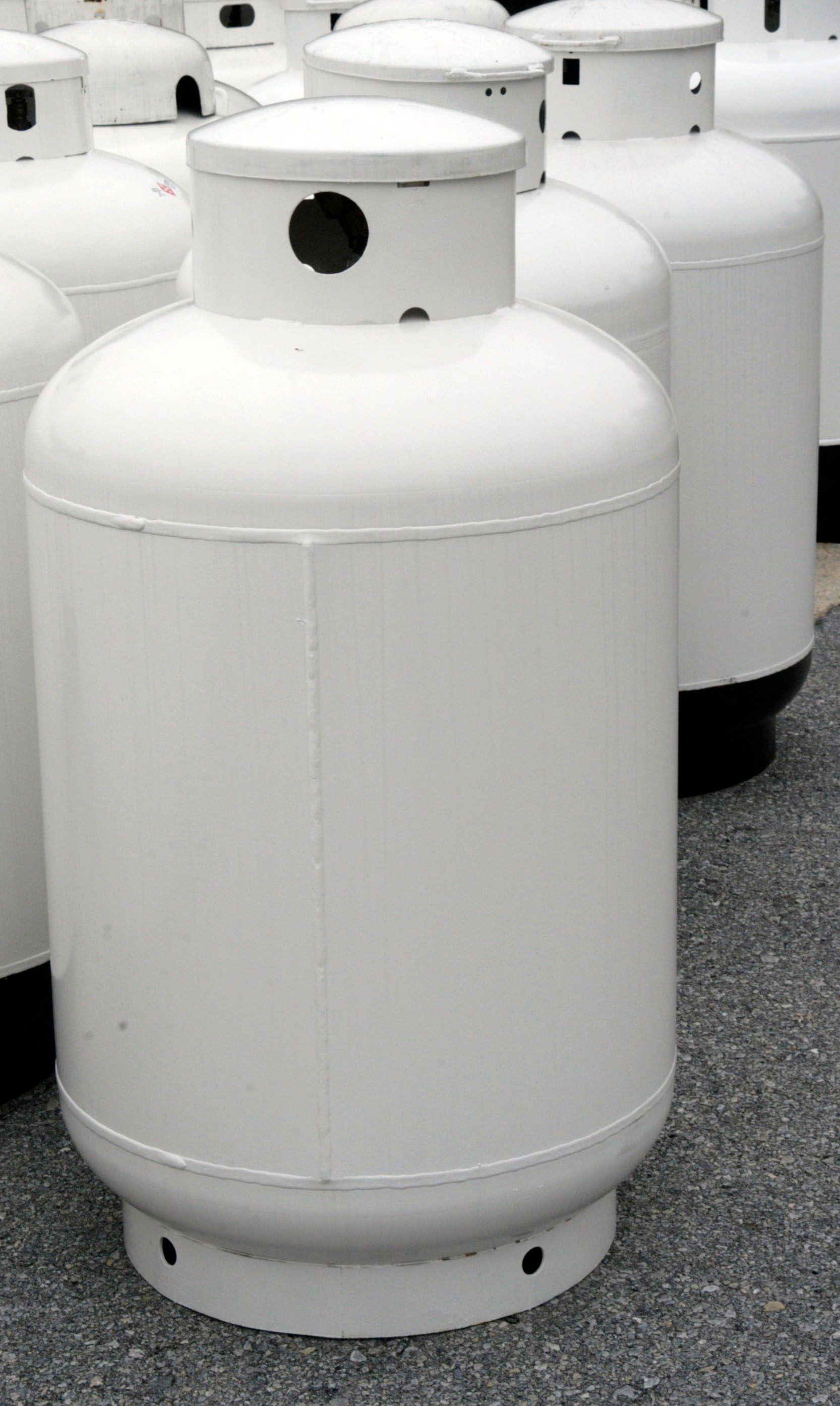
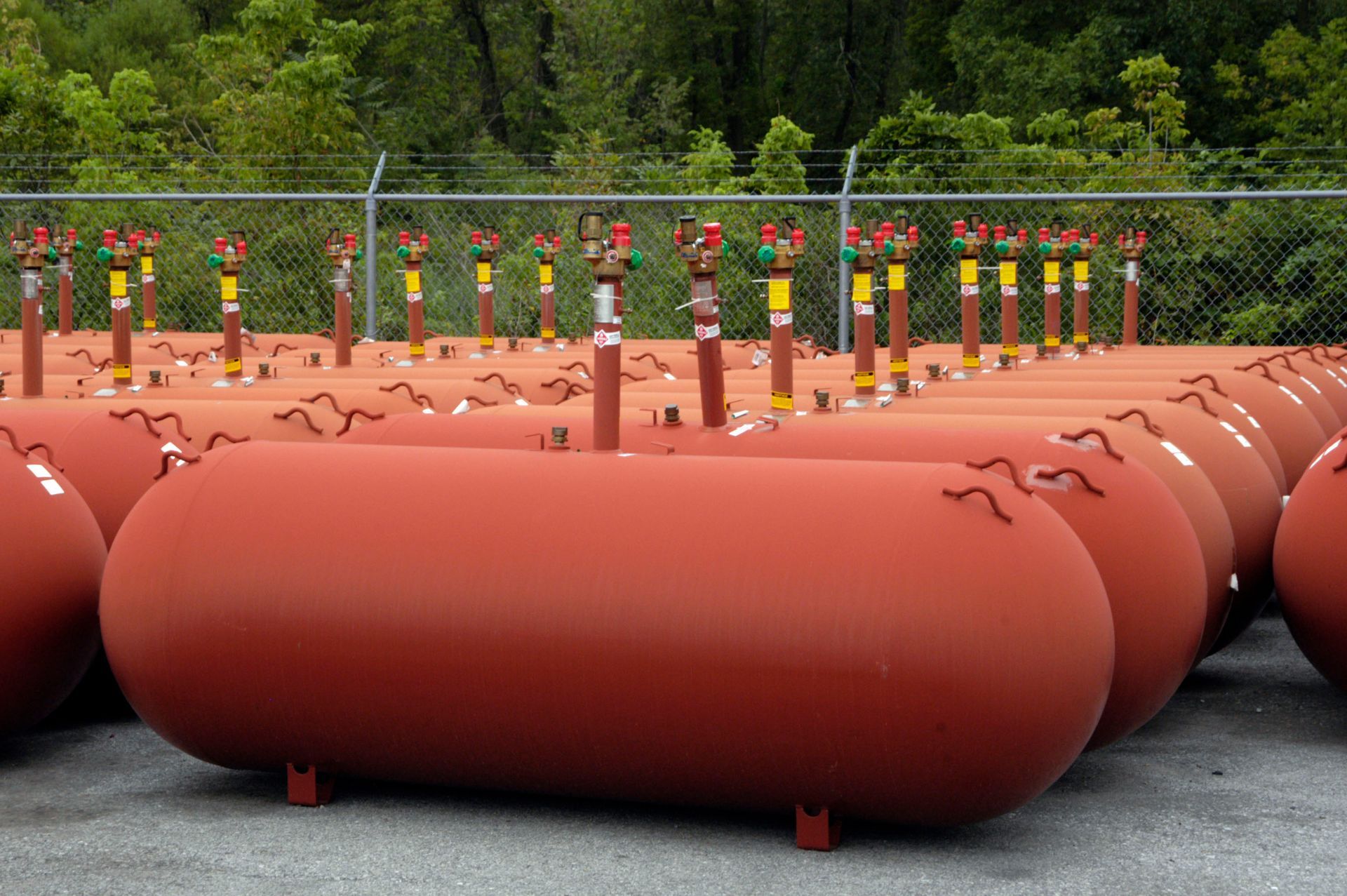
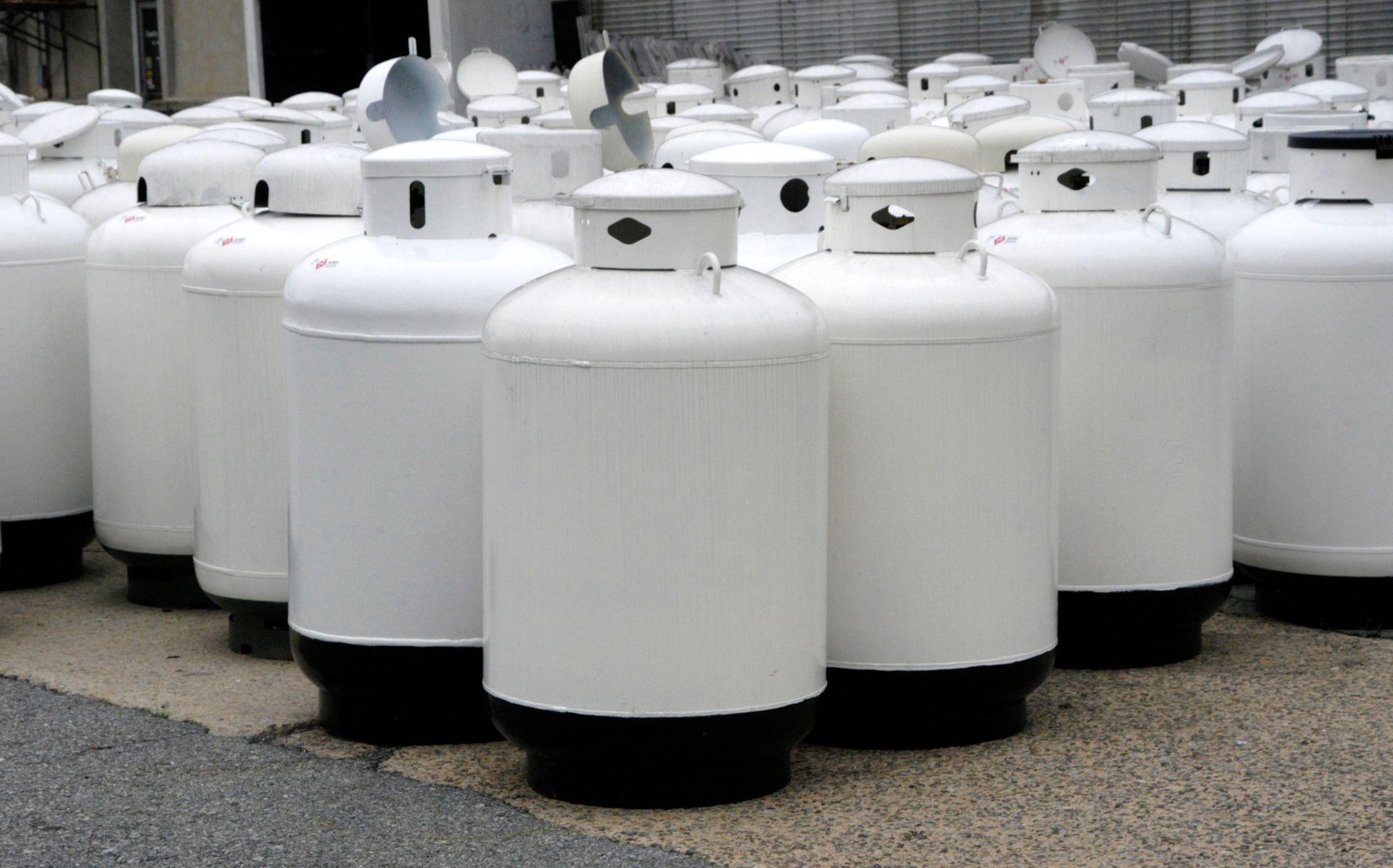
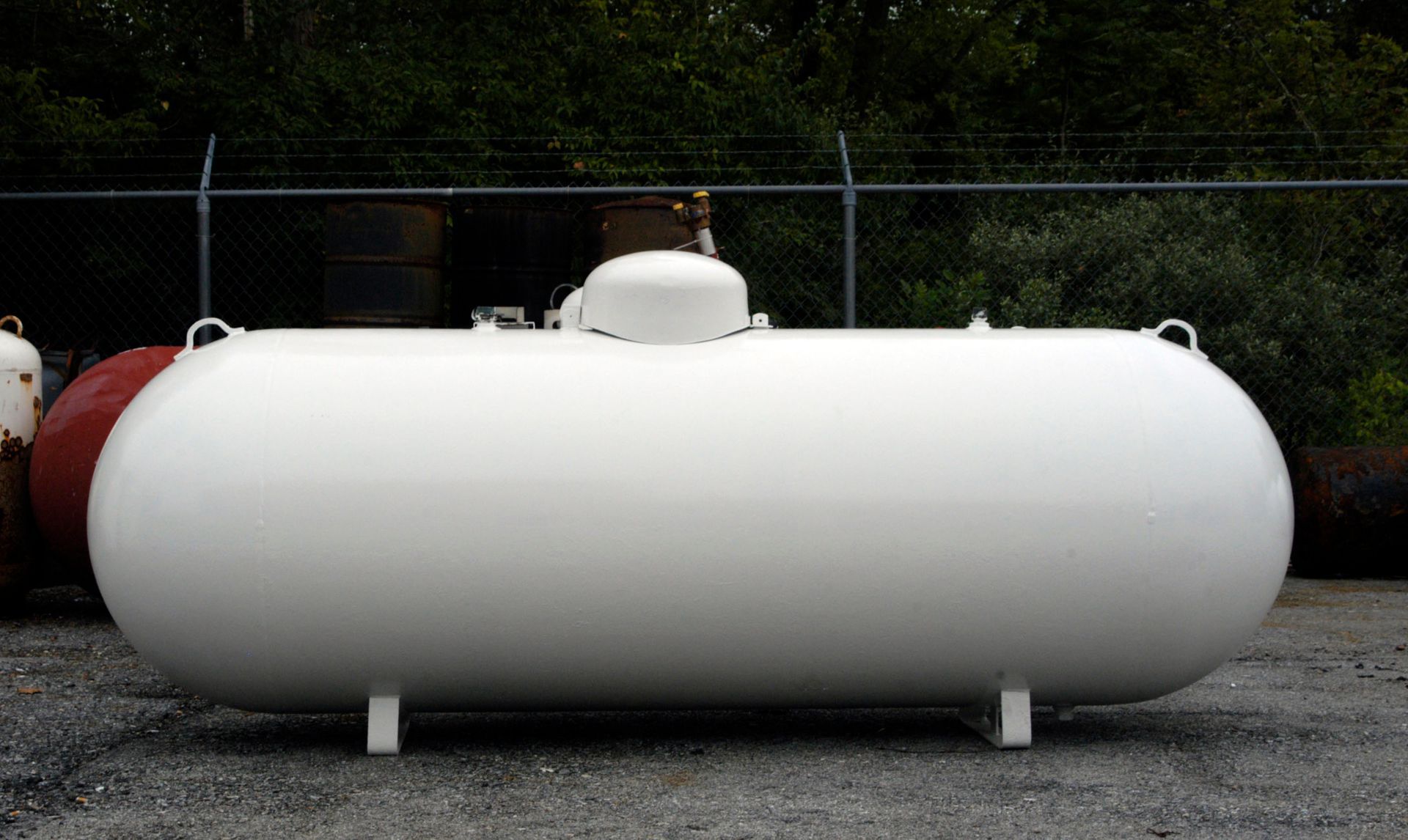
A properly designed propane storage tank is built to safely contain liquefied petroleum gas under pressure while protecting the stored fuel from environmental and mechanical hazards. Tank materials and construction methods are therefore important considerations when establishing a dependable storage system.
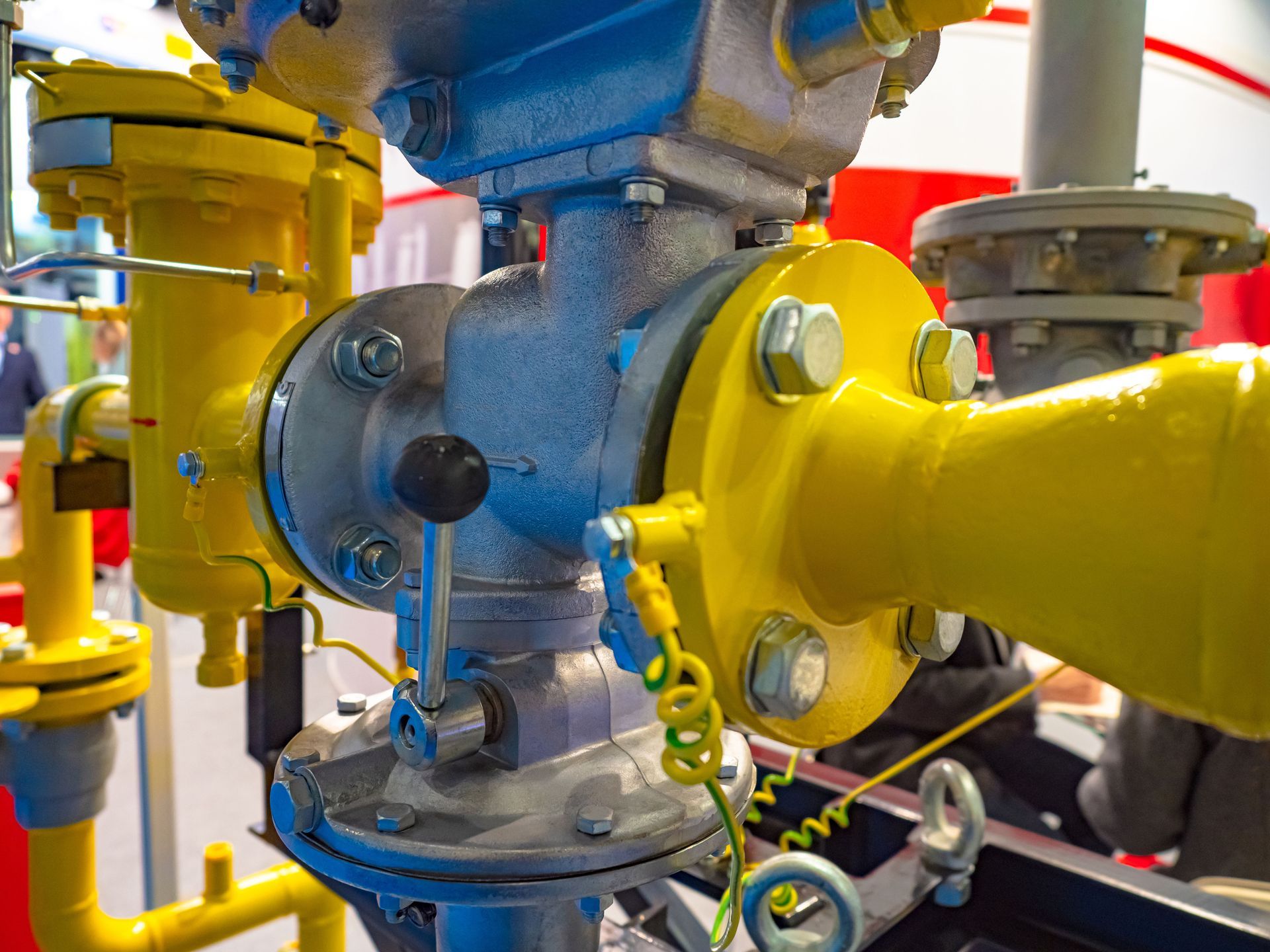
Most propane tanks are constructed from steel designed to withstand the pressures associated with liquefied propane. The tank must also comply with applicable safety and manufacturing standards. Proper valves, fittings, pressure-relief devices and connections are equally important because the storage vessel functions as part of a larger system rather than as an isolated container.
Tank placement can also affect supply preservation. A propane storage tank should be positioned in an appropriate location with adequate clearance from buildings, ignition sources and other potential hazards. Accessibility is important as well, since delivery vehicles and service technicians need sufficient space to reach the tank safely.
Protective features can help reduce damage caused by impacts, corrosion and other hazards. Depending on the installation, these may include protective barriers, appropriate coatings and other measures designed for the surrounding environment. A properly selected propane storage tank should ultimately match the fuel demand, installation conditions and applicable requirements of the property.
The broader propane market also demonstrates why dependable storage can matter. According to the National Propane Gas Association, the United States exported an average of 1.8 million barrels of propane per day in 2024. With propane moving through a large and active national and international market, individual users still benefit from having appropriately sized storage capacity available when deliveries cannot occur immediately.
How Does Regular Maintenance Affect Supply Continuity?
Even a high-quality propane storage tank can become less reliable without regular inspection and maintenance. Routine attention helps identify conditions that could eventually interfere with safe operation or the ability to receive and use propane.
Inspections can involve checking the tank's exterior for corrosion, physical damage or other visible problems. Valves, fittings and connections should also be examined according to applicable maintenance requirements. Pressure-relief devices and other components require particular attention because they play important roles in the safe operation of the system.
Maintenance schedules can vary depending on the type of equipment, installation and applicable regulations. Professional service providers can help determine what inspections and servicing are appropriate for a particular propane storage tank.
Keeping the area around the tank clear is another practical maintenance measure. Vegetation, debris, snow and other obstructions can interfere with inspections, deliveries or access to equipment. In areas that experience substantial winter weather, maintaining clear access for propane delivery vehicles becomes particularly important.
Maintenance also provides an opportunity to identify changes in propane consumption. If a facility is using more fuel than anticipated, an inspection or service visit can prompt a review of storage capacity and delivery schedules. Addressing those issues before a tank reaches a critically low level can help prevent an avoidable interruption.
What Are the Safety Measures Associated With Propane Storage Tanks?
Safety procedures are closely connected to supply reliability. A problem that makes a storage system unsafe may also require the system to be taken out of service, potentially interrupting propane availability.
Propane storage equipment should be installed and maintained according to applicable codes, regulations and manufacturer requirements. Pressure-relief devices are particularly important because propane expands as conditions change, and these components are designed to help manage pressure within the storage system.
The location of a propane storage tank should also account for required separation distances and potential sources of ignition. Appropriate signage and protection against accidental vehicle impact may be necessary depending on the installation.
Only qualified personnel should perform repairs or modifications to propane equipment. Attempting to alter valves, fittings or other components without appropriate expertise can create safety hazards and potentially compromise the reliability of the entire system.
Emergency planning can further reduce the consequences of an equipment problem. Property owners and facility managers should know how to respond if they smell propane, suspect a leak or discover damage to the tank or associated equipment. Clear procedures allow problems to be addressed quickly rather than becoming prolonged supply disruptions.
How Do Temperature And Climate Conditions Impact Propane Storage Tanks?
Weather conditions can influence propane storage and consumption in several ways. Temperature changes affect propane pressure inside the tank, while severe weather can make deliveries and equipment access more difficult.
During periods of extreme cold, propane consumption can rise substantially as heating systems operate more frequently. A propane storage tank that normally provides sufficient capacity may therefore reach a low level sooner than expected. Facilities that experience seasonal demand changes should account for these fluctuations when planning deliveries and storage capacity.
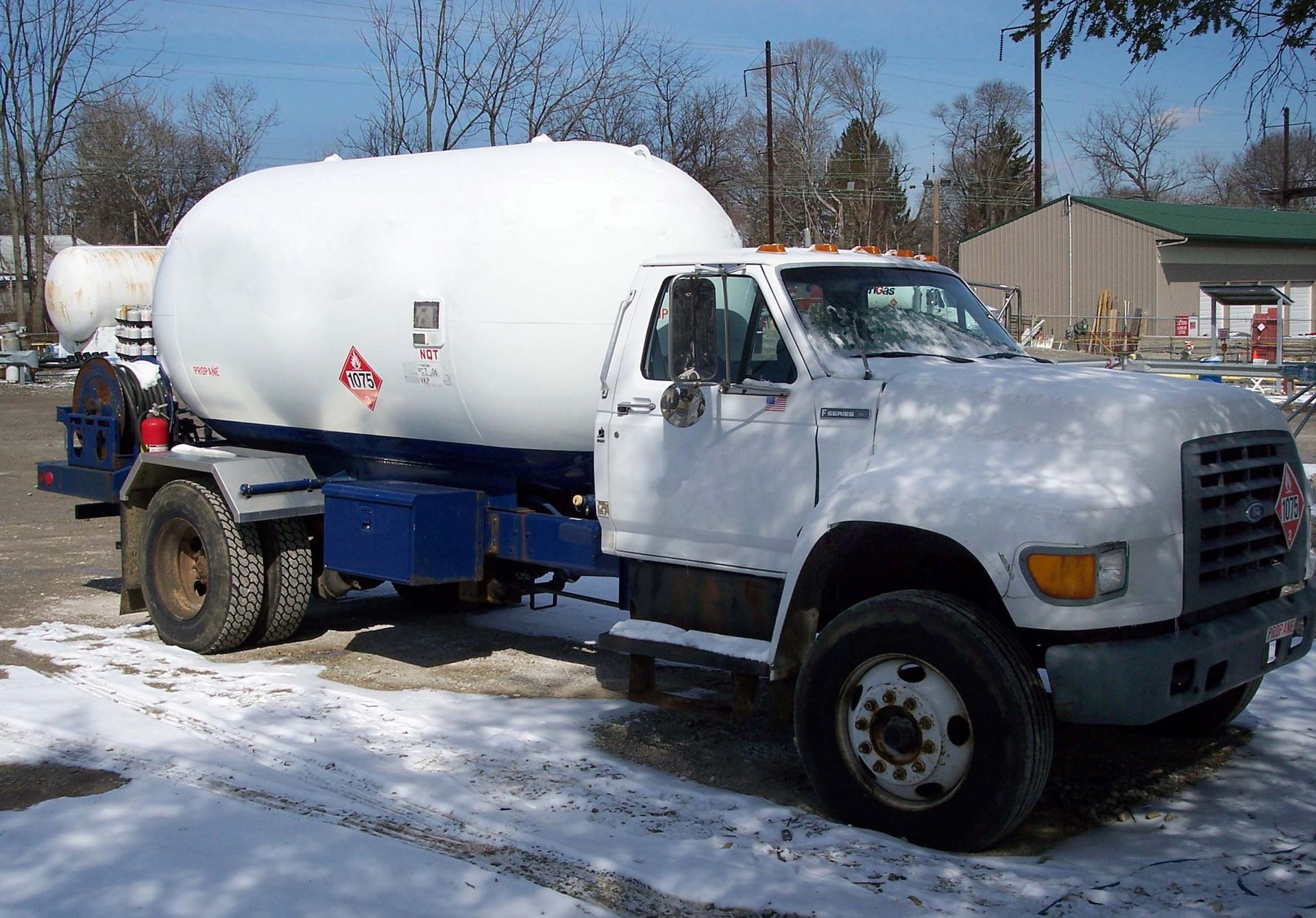
Winter weather can also create logistical challenges. Heavy snow and ice may block access routes or make it difficult for delivery vehicles to reach a tank. Keeping driveways and tank-access areas clear can help reduce the possibility of a delivery delay.
Heat and direct sunlight are also considerations. Propane storage systems are designed to withstand normal outdoor conditions, but tanks must still be installed with appropriate clearances and safeguards. Pressure-relief equipment helps manage changes in internal pressure, while proper installation reduces exposure to avoidable hazards.
Climate considerations should therefore be incorporated into the selection and placement of a propane storage tank rather than addressed only after an issue develops. Local weather patterns, seasonal fuel consumption and accessibility can all influence how much storage is appropriate.
What Role Does Tank Sizing Play In Preventing Propane Supply Interruptions?
Choosing the right tank size is one of the most direct ways to reduce the risk of running out of propane between deliveries. An undersized tank may require frequent deliveries, leaving little margin when demand increases or transportation disruptions occur.
Sizing should be based on actual and anticipated propane consumption rather than simply choosing the largest available option. Heating demand, appliances, generators, commercial equipment and seasonal usage patterns can all affect consumption.
A larger
propane storage tank can provide greater reserve capacity, but larger does not automatically mean better. Installation requirements, available space, delivery logistics and expected demand should all be considered. A properly sized system balances adequate reserve fuel with the practical requirements of the property.
Delivery schedules are another part of the equation. A facility with predictable consumption may be able to operate efficiently with a smaller tank and regular deliveries, while a remote property or operation with highly variable demand may benefit from additional reserve capacity.
Monitoring tank levels can further improve reliability. Rather than waiting until the supply is nearly depleted, users can establish appropriate reorder points based on consumption patterns and expected delivery times. This approach gives suppliers more time to respond when demand rises or weather affects transportation.
Preventing propane supply interruptions requires more than keeping a tank filled. The quality and design of the storage system, regular maintenance, safety practices, weather conditions and appropriate tank sizing all contribute to reliable propane availability.
A properly selected propane storage tank provides valuable reserve capacity, but that capacity is most effective when it is supported by sound maintenance and delivery planning. Regular inspections can identify potential problems before they become disruptions, while appropriate safety measures help keep the system operating within required standards. If you're looking for safe propane storage, reach out to the team at Utility Energy Systems today!
Share On: