
Choosing the Right Propane Storage Tanks for Your Needs
Selecting the correct size of propane storage tanks is crucial for efficient energy use in both residential and commercial settings. A properly sized tank ensures that energy needs are met without excessive refueling, leading to more sustainable use of resources. An inadequate tank size could result in frequent refills, elevated costs, or energy shortages during peak times. On the other hand, choosing an unnecessarily large tank could lead to increased costs and wasted capacity, especially if the extra storage is not utilized. Therefore, it's essential to consider several factors, including usage patterns, available space, and potential future needs, as these will significantly impact the selection process.
The Factors Influencing Propane Storage Tank Sizings
Energy Consumption Needs
Your current energy consumption forms the foundation for selecting an appropriate size for propane tanks. Residential consumers often underestimate their energy requirements by not fully evaluating appliances or peak consumption times. It's crucial to examine your entire energy footprint, including heating, cooking, and other uses, to make an informed decision. For businesses, understanding peak operational times and the energy intensity of activities helps in determining a more precise tank size. Additionally, consider seasonal spikes in energy consumption, which would necessitate a larger storage solution to prevent shortages.
Available Space for Installation
Space availability is another critical factor that influences the type and size of the propane storage tanks that you can install. Urban settings or limited property areas might pose constraints requiring compact or underground storage solutions. It’s advisable to consult with tank installation experts to assess spatial implications and feasibility. Efficient use of space is not only about fitting the tank itself but also about planning for access routes, safety clearances, and maintenance activities. An improperly sized tank might infringe on property aesthetics and utility access, thus careful consideration of space ensures both functionality and design harmony.
Climate and Seasonal Considerations
Climate influences both the frequency and volume of propane usage, especially in regions with significant seasonal temperature variations. During colder months, heating demands can dramatically increase, propelling higher energy samples compared to milder seasons. Consumers should evaluate historical weather data to anticipate consumption peaks and ensure sufficient storage during critical periods. According to EIA.gov, U.S. propane inventories totaled 103 million barrels at the end of the week of October 11, 2024, suggesting readiness for energy needs in the approaching winter. Factoring in climate-related risks can prevent emergencies or costly refuels when demand spikes due to unexpected weather changes.
Propane Usage Frequency
How often you use propane greatly impacts the size of the tank you'll need, with more frequent use requiring larger storage capacities. For households with high propane reliance, a larger tank reduces refilling frequency, optimizing both cost and accessibility. For commercial settings, regular propane use for heating or production processes necessitates comprehensive planning to avert disruptions. Usage pattern analysis helps identify peak consumption times and potentially adjust tank size to accommodate these patterns. Understanding these elements aids in choosing a tank equipped not just for current needs but also for consistent, long-term use.
The Differences in Propane Tank Sizes
Common Residential Tank Sizes
Residential propane storage tanks come in various sizes, each designed to meet different household energy demands. In our experience, the most common sizes are suitable for average household needs, providing enough capacity for heating, cooking, and hot water. It is important to remember that larger homes or those with higher energy demands might require bigger tanks for uninterrupted service. On the other hand, smaller tanks are often used in homes with alternative energy sources or those in warmer climates with less heating demand. Knowing your home's specific energy profile will guide you to the suitable tank size, optimizing efficiency and cost.
Commercial Propane Tank Options
Commercial applications often necessitate larger tanks, reflecting business-specific energy needs which can fluctuate significantly. Business operations relying heavily on propane for day-to-day functions should assess peak load requirements to ensure their tank size can accommodate such demand without interruptions. Investing in the right tank size also factors into a business's operational resilience, safeguarding against supply shocks or logistical mishaps. Whether it’s manufacturing, hospitality, or agriculture, assessing unique industry demands ensures that tank choices align with operational goals.
Underground vs. Above-Ground Tanks
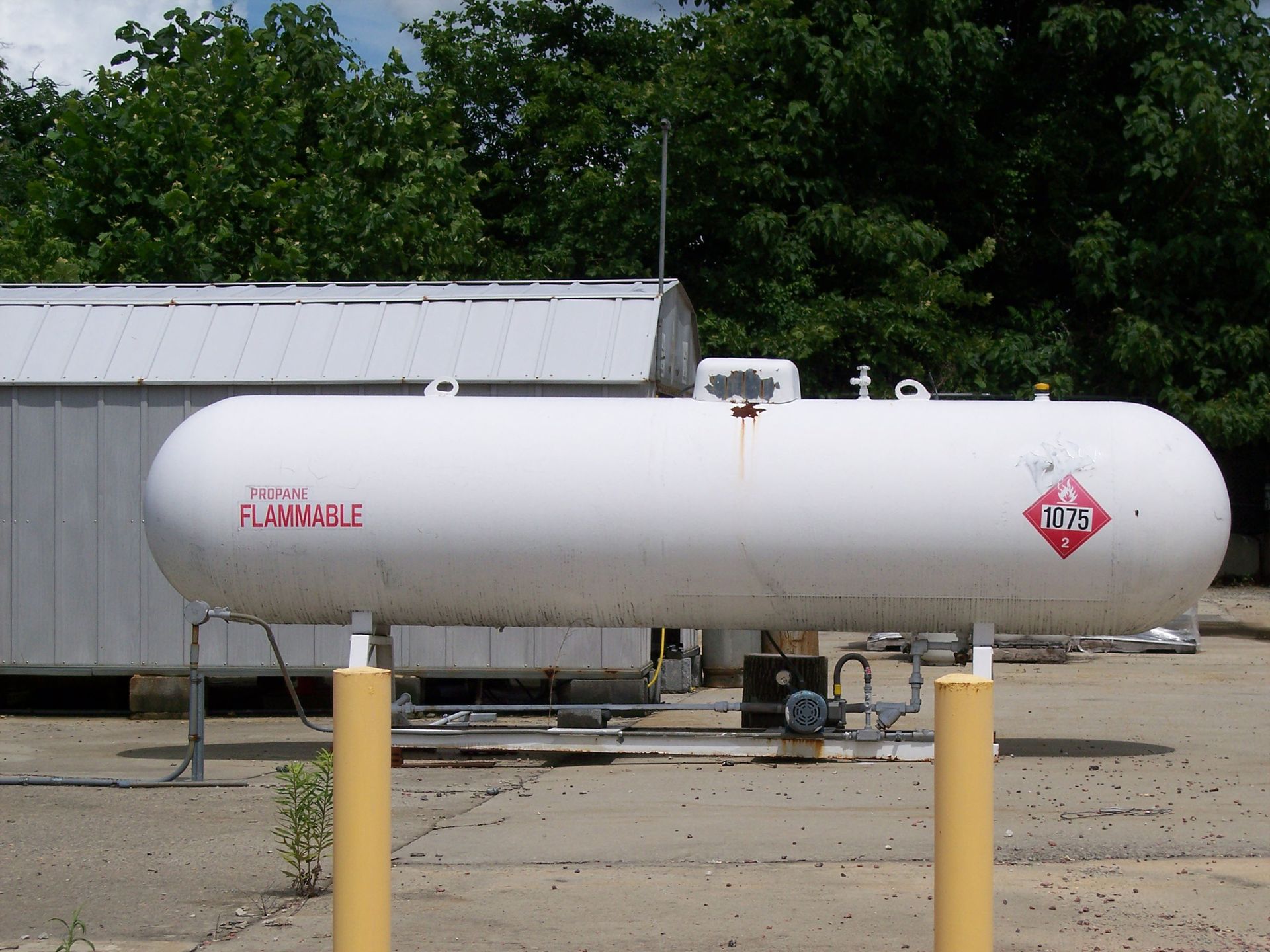
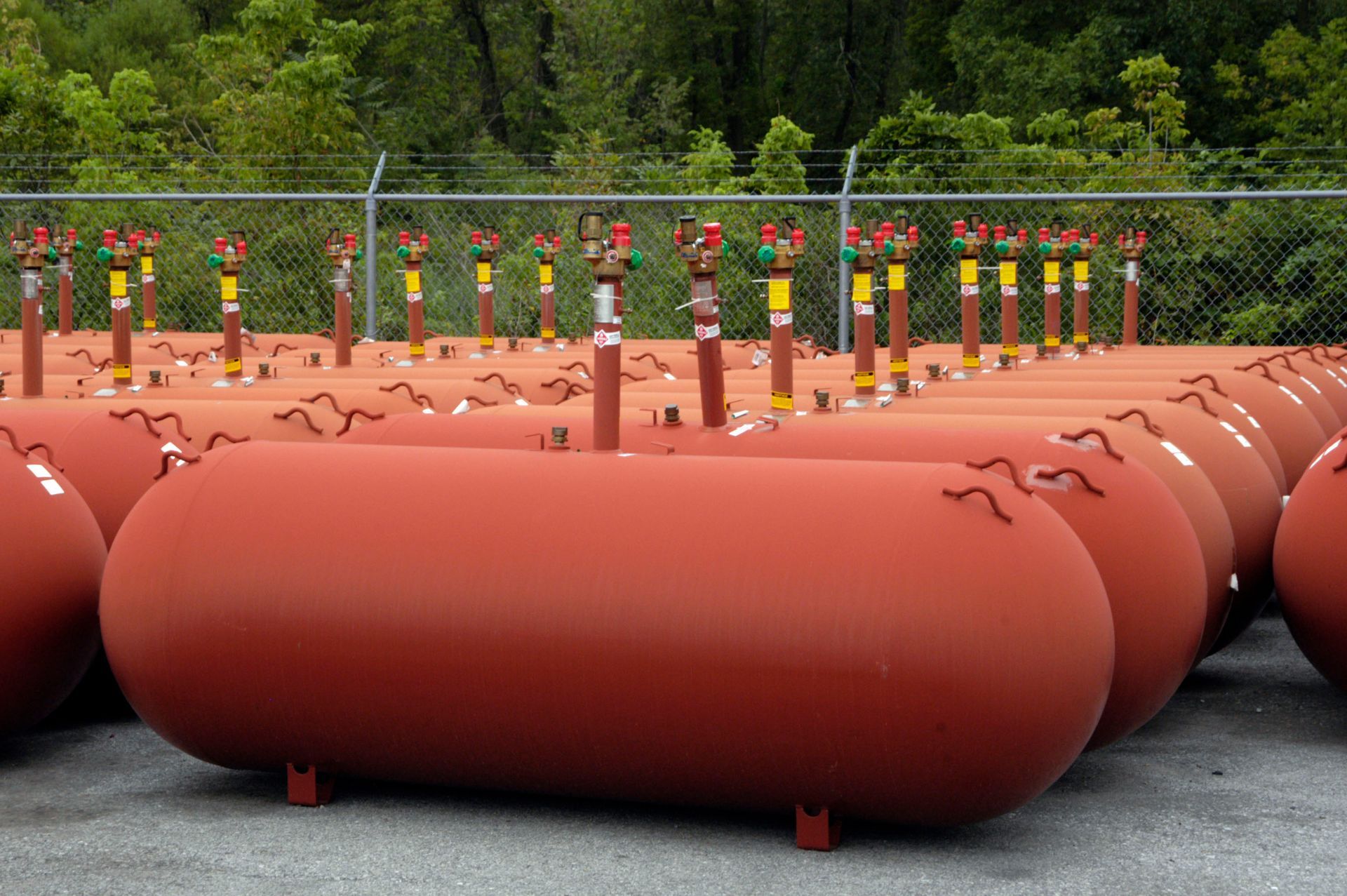
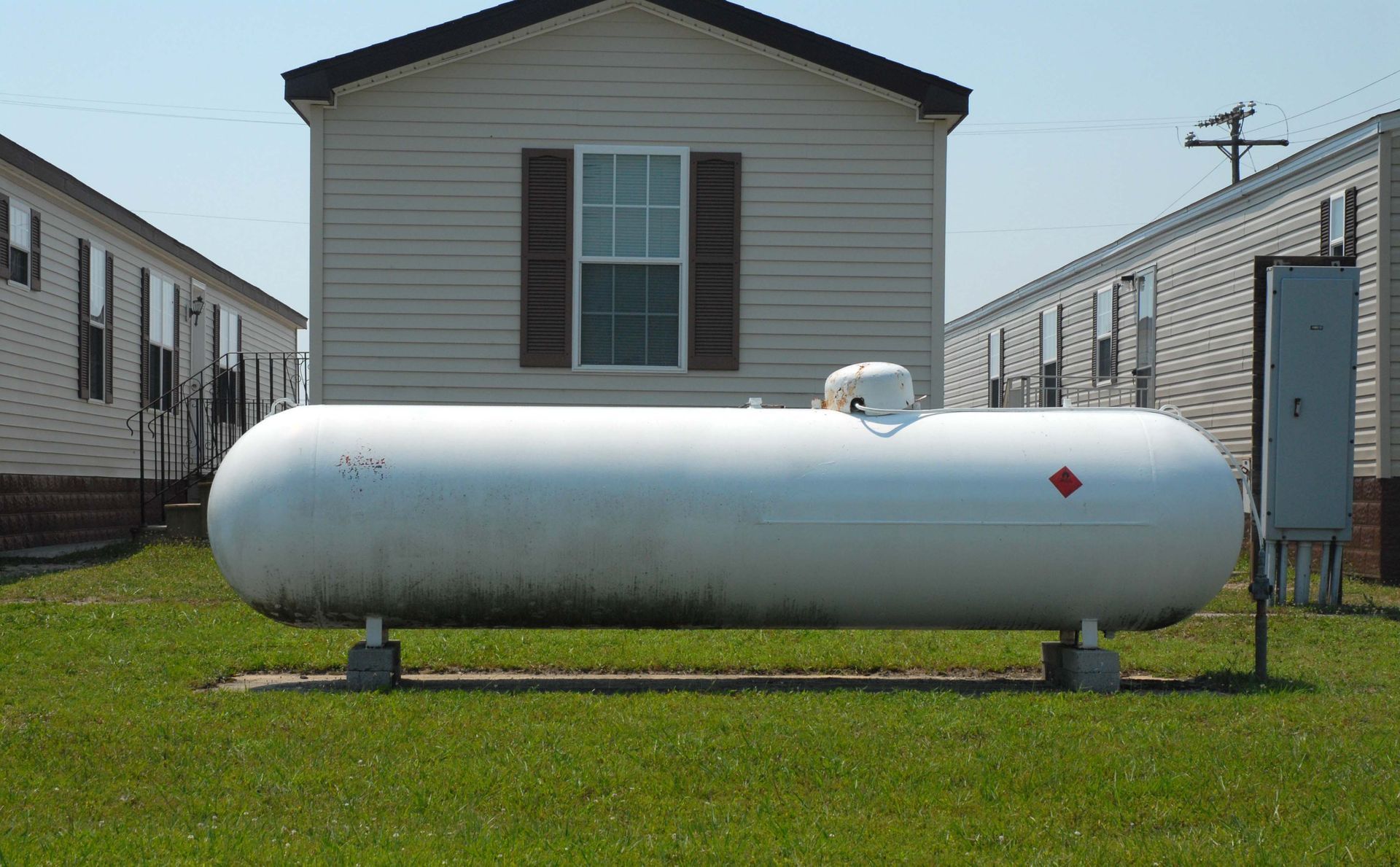
The decision between underground and above-ground tanks involves both spatial logistics and aesthetic considerations. Underground tanks are less visible, preserving property aesthetics and sometimes circumventing space restrictions on surface land. However, they also entail higher installation costs due to excavation requirements and might involve more intensive maintenance protocols. Above-ground tanks, while more visible, typically have lower setup costs and easier access for maintenance and refills. The choice between these elements relies on assessing property geometrics, budgetary constraints, and the prioritization of visual versus practical elements balanced against local regulations.
Portable vs. Stationary Tanks
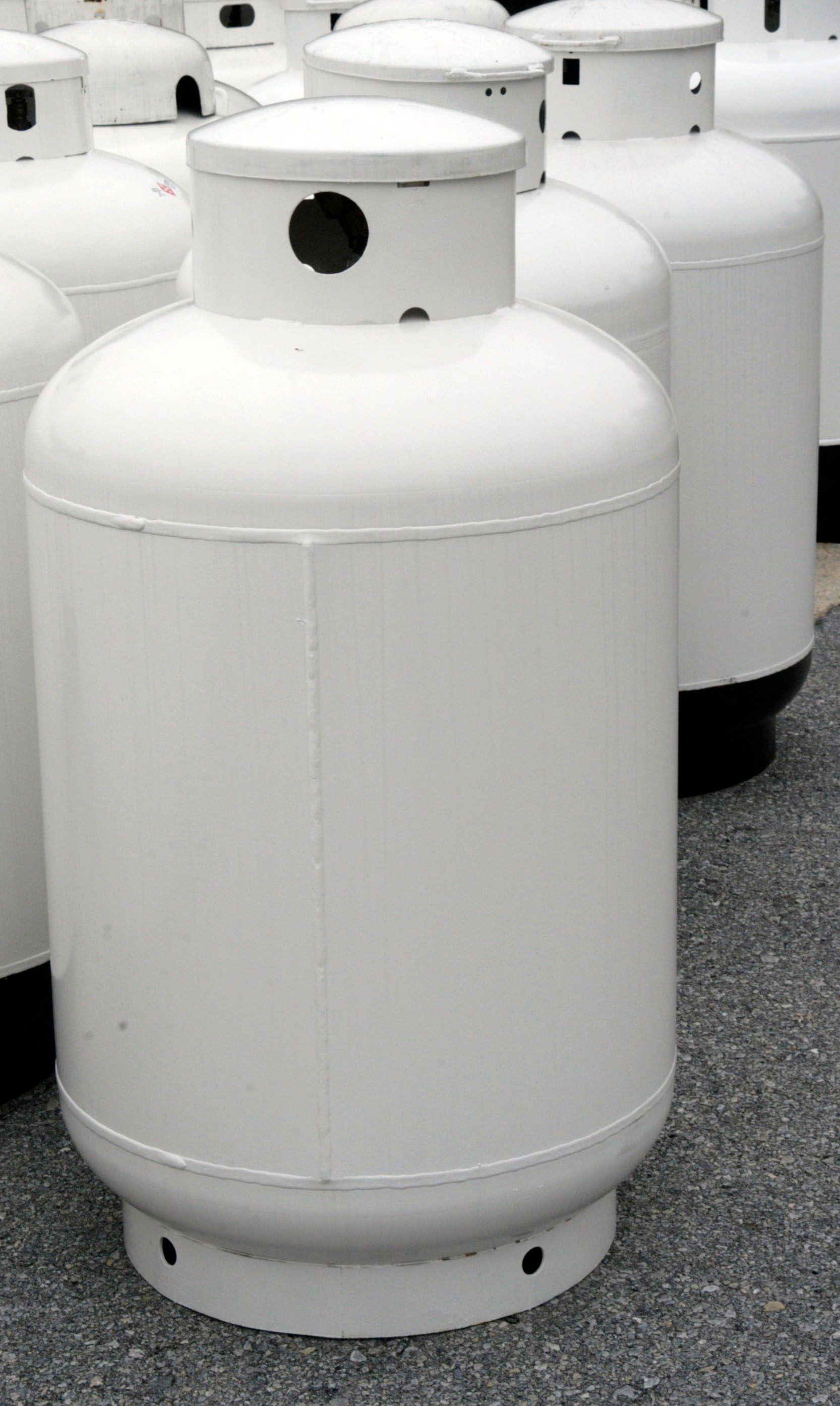
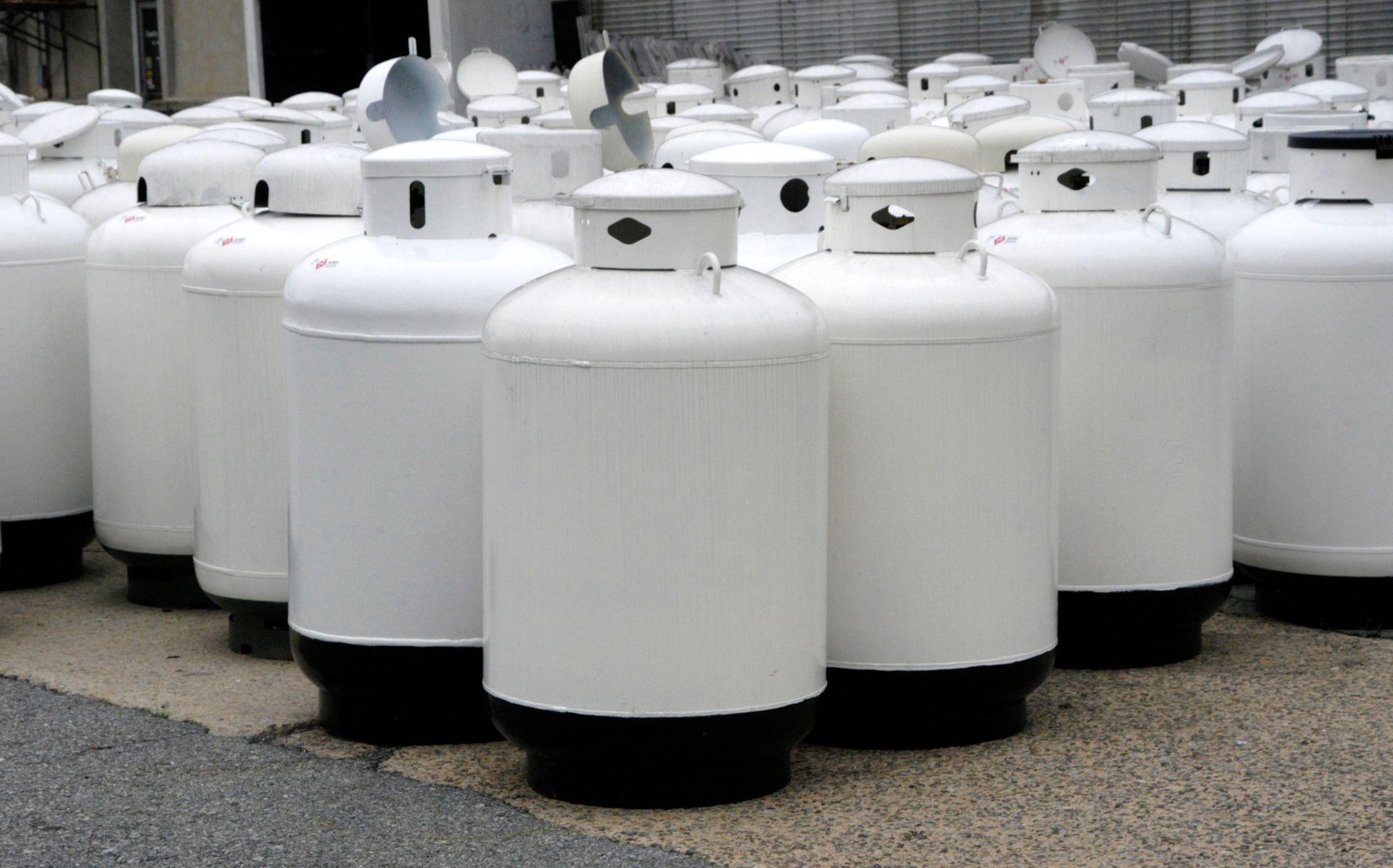
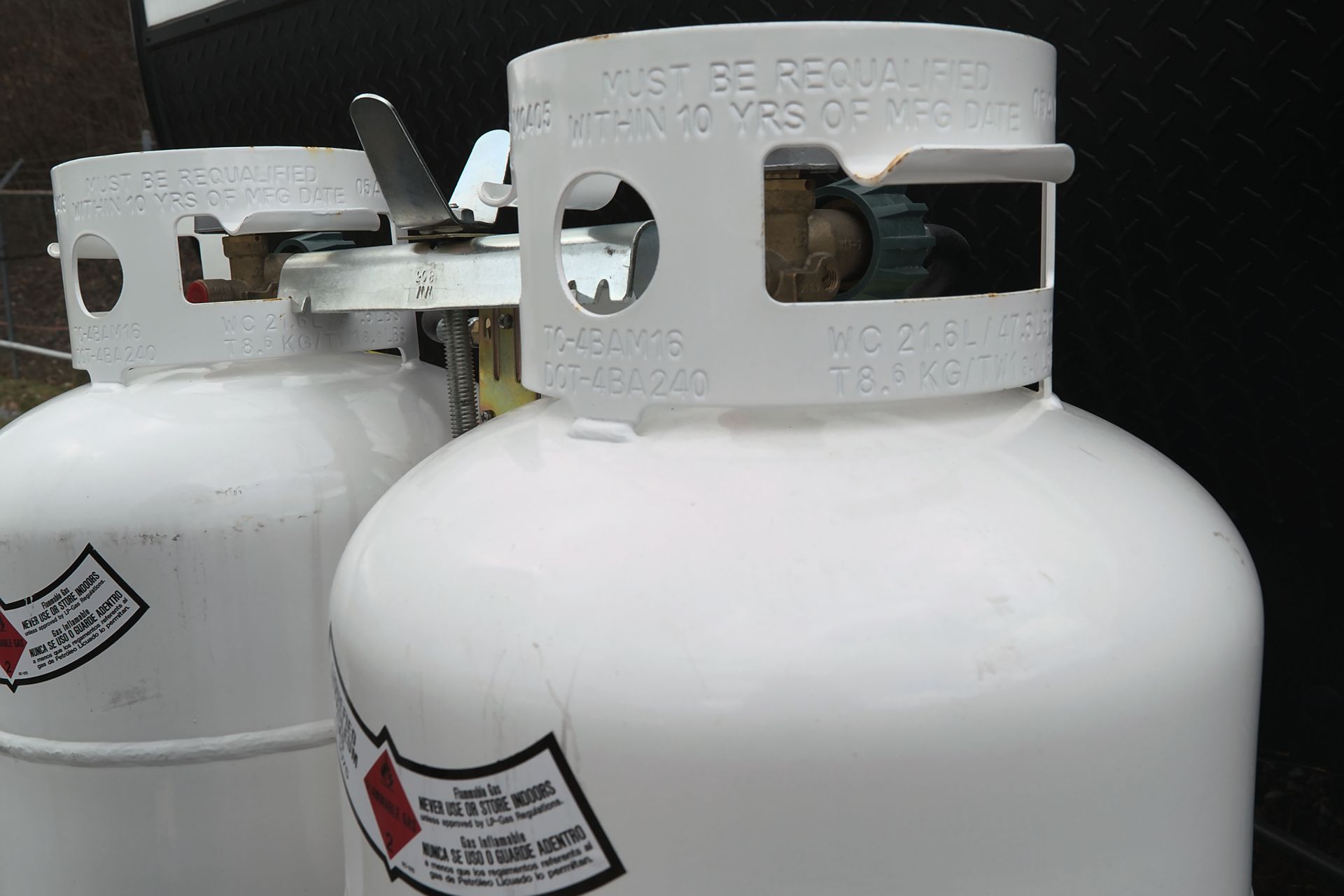
Portable propane tanks offer flexible solutions, particularly for temporary situations or recreational needs, contrasted with stationary tanks providing permanent installation for ongoing needs. Portable options are ideal for homeowners with lower energy use or locations with temporary heating or cooking setups. In contrast, stationary propane storage tanks suit households and businesses with stable or long-term energy needs, reliably meeting those demands without frequent tank changes. Consideration of installation needs versus mobility requirements can significantly aid in deciding between these two options. Understanding the advantages of each ensures that the chosen solution accounts for both operational continuity and logistical ease.
The Costs Associated with Propane Storage Tanks
Initial Purchase and Installation Costs
Buying and installing a propane tank involves upfront costs that vary widely depending on tank size and type. Larger tanks necessitate higher initial expenses in both manufacturing and installation, often requiring specialized handling or contextual considerations like above-ground versus underground setups. It’s crucial to have a clear understanding of these preliminary expenses, as they significantly influence initial financial planning. Certain companies might offer payment plans or financing options, enabling cost distribution over time and easing budget strains. Early awareness of these installation costs sets reliable expectations and promotes informed decision-making.
Long-term Maintenance Costs
In addition to purchase and installation, ongoing maintenance costs must be weighed when considering a propane tank investment. The complexity and frequency of maintenance tasks rely heavily on tank type, size, and installation context, with larger or underground propane storage tanks demanding more intensive care. It’s important to consider regular inspections, potential repairs, and required compliance check-ups, calculating these expenditures into annual operating budgets. Understanding the nuances of maintenance needs can prevent unexpected costs and enhance the tank's lifespan and functionality. Engaging with reputable service providers guarantees that all maintenance protocols adhere to safety standards while minimizing operational interruptions.
Financial Incentives and Rebates
Several financial incentives and rebate programs are available to support propane tank installation and maintenance, often mitigating initial or ongoing costs. Governmental programs or industry initiatives might offer incentives, especially for energy-efficient installations or environmentally sustainable choices. Researching availability requires connecting with local authorities or industry organizations, securing any credits or rebates appropriate to your setting. Understanding these incentives not only requires awareness of distribution methodologies but also aligns purchases with sustainability expectations and requirements. Incorporating recognition of applicable financial supports ensures fiscal prudence while promoting sustainable energy use.
Cost of Propane Refills
The ongoing costs related to propane refilling also vary with tank size and usage, significantly influencing overall expenditure on energy resources. Larger propane storage tanks, though initially more expensive, can sometimes present savings opportunities through less frequent refilling and bulk purchase advantages. Calculating refill frequencies and related energy costs provides valuable insights into long-term financial impacts, encouraging more precise budget management. Comparative analysis of local propane suppliers can optimize choices by identifying price variations or delivery fees. By understanding the long-term implications of propane refill costs, owners better prepare themselves to accommodate shifts in market prices or supply dynamics.
Choosing the right propane tank size requires balancing energy needs, space, and budget. By carefully evaluating usage patterns, installation constraints, and long-term costs, you can ensure efficient performance and avoid unnecessary expenses. A well-informed decision not only improves reliability but also supports sustainable, cost-effective energy management for years to come. Contact Utility Energy Systems for more information.
Share On: