
What Are Gas Blending Systems? Understanding Their Role
Many industries rely on precise mixtures of elements to keep operations running smoothly. When the mixture involves volatile or sensitive elements, precision becomes even more critical. This is where advanced mixing technology comes into play, ensuring that various elements are combined safely, effectively, and with extreme accuracy. Whether in manufacturing, medical fields, or energy sectors, having the right mixture can make the difference between a successful operation and a complete failure. The implementation of modern technology allows facilities to customize their inputs, creating an ideal environment for production and processing. By utilizing specialized gas blending systems, facilities can achieve the exact ratios needed for their specific tasks. This specialized equipment takes the guesswork out of complex operations, providing a reliable stream of correctly mixed resources. Understanding the mechanics, applications, and benefits of these tools is essential for any facility looking to upgrade its infrastructure and maintain a competitive edge in a demanding market.
Understanding The Basic Mechanics
At the core of this technology is the ability to take distinct elements and combine them into a uniform mixture. The process begins when the individual components are introduced into a specialized chamber. Through a series of highly sensitive regulators and flow meters, the equipment measures the exact amount of each component entering the stream. These components are then mixed dynamically or statically to ensure a completely homogeneous result. Modern gas blending systems utilize advanced sensors that constantly monitor the mixture as it is being created. If the sensors detect any deviation from the desired ratio, the controllers automatically adjust the flow rates to correct the imbalance. This real-time adjustment capability is what sets advanced mixing technology apart from older, manual methods. The constant monitoring ensures that the output remains stable, even if the input pressures or temperatures fluctuate during operation. Operators can set their desired parameters through intuitive control panels, allowing the machinery to handle the complex calculations and adjustments required to maintain the perfect mixture. This level of automation significantly reduces the burden on human operators while dramatically increasing the consistency of the final product.
Exploring The Industrial Applications
The versatility of this equipment makes it indispensable across a wide variety of industrial landscapes. In the manufacturing sector, metal fabrication relies heavily on precise mixtures to create strong, clean welds. The exact ratio of elements directly impacts the stability of the welding arc and the quality of the finished joint. Similarly, the chemical processing industry uses precise mixtures to facilitate specific reactions. Even slight variations in the input mixture can alter the chemical reaction, potentially ruining a batch or creating unsafe conditions. The food and beverage industry also heavily utilizes this technology to carbonate drinks and package perishable goods in modified atmospheres, extending shelf life without compromising quality. The energy sector is another major proponent of this technology. According to the International Energy Agency, the U.S. natural gas demand grew by approximately 1.8% in 2024, supported by increased LNG exports and domestic consumption. As demand rises, the infrastructure supporting these resources must operate flawlessly. Facilities use specialized gas blending systems to condition fuels for combustion, ensuring that turbines and generators operate at peak performance. By tailoring the mixture to the exact specifications of the equipment, facilities can maximize their output while minimizing wear and tear on their machinery. From brewing beverages to generating power, the applications are incredibly diverse and vital to modern commerce.
Recognizing The Safety Benefits
When dealing with volatile or pressurized resources, safety must always remain the top priority. Manual mixing processes introduce a significant margin for human error, which can lead to improper ratios. In some environments, an improper mixture can create highly flammable or toxic conditions, putting personnel and property at immense risk. Automated machinery mitigates this risk by taking control out of human hands and relying on precise, programmed logic. Many advanced gas blending systems come equipped with built-in fail-safes and emergency shutoff protocols. If the internal sensors detect a dangerous imbalance or a drop in pressure that could indicate a leak, the equipment can automatically halt the flow of materials and alert operators to the issue. This rapid response prevents small anomalies from escalating into critical emergencies. Additionally, the enclosed nature of the mixing process reduces the likelihood of exposure for workers on the facility floor. By maintaining a tightly controlled environment from the input valves to the output stream, the equipment ensures that hazardous materials are handled with the utmost care. This dedication to safety not only protects the workforce but also helps facilities maintain compliance with stringent regulatory standards and occupational safety guidelines.
Evaluating The Efficiency Gains
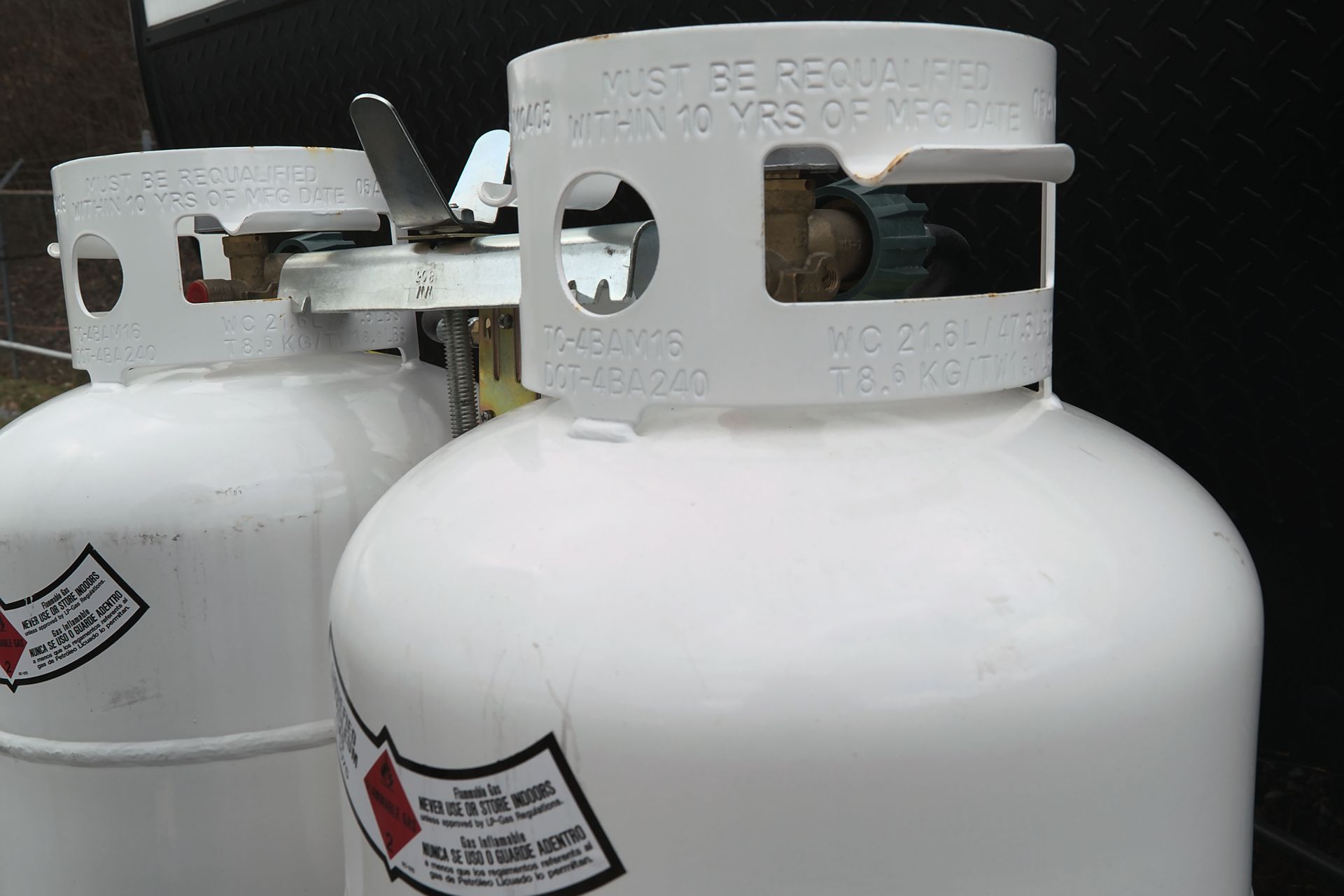
Beyond the obvious safety advantages, the implementation of automated mixing technology provides substantial improvements in operational efficiency. When facilities rely on pre-mixed cylinders provided by external vendors, they often face high costs and logistical headaches. Storing multiple varieties of pre-mixed cylinders takes up valuable floor space and requires constant inventory management. By generating the precise mixture on-site, facilities can streamline their supply chain and reduce their reliance on outside vendors. Reliable gas blending systems allow facilities to pivot their operations quickly. If a new project requires a completely different mixture, the operators can simply adjust the settings on the control panel rather than waiting for a new delivery of specialized cylinders. This flexibility prevents downtime and keeps production moving forward smoothly. Furthermore, the precision of the automated mixing process significantly reduces waste. By mixing only what is needed, when it is needed, facilities avoid the financial loss associated with unused or expired pre-mixed supplies. The continuous, steady output also ensures that downstream processes are never starved for materials, allowing the entire facility to operate at a consistent, optimized pace.
Adapting To Evolving Needs
As industries continue to evolve, the demands placed on processing equipment will only grow more complex. Facilities are constantly seeking ways to improve their output, reduce their environmental footprint, and enhance their overall capabilities. The technology behind mixing equipment is also advancing to meet these challenges head-on. Modern units are becoming increasingly integrated with facility-wide management software, allowing supervisors to monitor the mixing process from remote locations. This connectivity enables predictive maintenance, where the software alerts operators to potential wear and tear before a component actually fails. Furthermore, as new alternative fuels and advanced manufacturing techniques emerge, the required mixtures will become more intricate. Highly adaptable gas blending systems are designed to accommodate these future shifts. Their modular designs allow facilities to upgrade individual components, such as sensors or controllers, without needing to replace the entire unit. This future-proofing ensures that an investment in mixing technology will continue to provide value even as the facility's needs change. By embracing scalable and adaptable equipment, organizations can position themselves at the forefront of their respective industries, ready to tackle the challenges of tomorrow with confidence.
Understanding the intricacies of industrial mixing technology illuminates just how crucial these mechanisms are to modern operations. They provide the precision, safety, and efficiency required to keep complex processes running without interruption. From powering massive turbines to ensuring the structural integrity of a microscopic weld, the ability to create perfectly proportioned mixtures on demand is an invaluable asset. Facilities that invest in high-quality equipment empower their workforce to achieve better results while minimizing risks and unnecessary expenses. As technology continues to progress, the capabilities of these tools will only expand, offering even greater control over critical processes. Upgrading your facility's infrastructure with advanced gas blending systems is a strategic move that pays dividends in reliability and performance. When you are ready to enhance your operations and secure a more efficient future, call Utility Energy Systems today to learn more.
Share On: